What Happens During Your First Personal Training Session?
Overcome the Fear of Your Fitness Goals
Starting a personal training program can be an exciting step toward improving your health, building strength, and reaching your fitness goals. However, if you’ve never worked with a personal trainer before, you may have questions about what to expect. What happens during the first session? Will you be expected to complete an intense workout? Do you need to prepare anything beforehand?
The good news is that your first private personal training session is generally about getting to know you, understanding your fitness goals, and establishing a foundation for your training program. Rather than immediately pushing you through an exhausting workout, a good personal trainer will take the time to understand your experience, assess your current fitness level, and develop a plan that fits your needs.
At Training Loft, personal training is designed around the individual. Whether your goal is losing weight, building muscle, improving mobility, or developing a healthier lifestyle, understanding what happens during your first personal training session can help you feel more confident walking through the door.
1. Discussing Your Fitness Goals
Your first personal training session will typically begin with a conversation about your fitness goals. This is something that a fitness app or traditional gym membership won’t give you much access to.
Before developing a workout routine, your trainer needs to understand what you want to accomplish and why. Everyone has different motivations for exercising, and those motivations help determine the best approach to training.
Some common personal training goals include:
- Losing body fat and improving body composition.
- Building muscle and increasing strength.
- Improving cardiovascular fitness and endurance.
- Developing better balance, mobility, and flexibility.
- Improving overall health and physical conditioning.
- Establishing a consistent exercise routine.
Your trainer may also ask about your previous exercise experience, current activity level, and any challenges you’ve encountered when trying to stay consistent.
For example, someone who wants to build muscle may require a different training approach than someone returning to exercise after several years away from the gym.
This initial conversation helps ensure your training program is built around realistic goals rather than a generic workout routine.
2. Reviewing Your Fitness and Exercise History
Understanding your fitness history is another important part of the first personal training session.
Your trainer may ask questions about how frequently you exercise, what types of workouts you’ve performed in the past, and whether you have experience with strength training or cardiovascular exercise.
They may also discuss previous injuries, physical limitations, or other considerations that could influence your workouts. Be open about anything that could affect your ability to exercise comfortably and safely.
This information helps your trainer determine where to begin and which exercises may be appropriate for your current abilities.
You don’t need to be in shape before starting personal training. In fact, working with a personal trainer can be especially helpful if you’re a beginner or haven’t exercised consistently in years.
The goal is to establish a starting point that allows you to progress gradually.
3. Completing an Initial Fitness Assessment
Depending on the training facility and your individual needs, your first session may include an initial fitness assessment.
This gives your trainer a better understanding of your current physical capabilities and helps identify areas that may need additional attention.
An assessment may include:
Mobility and Flexibility: Your trainer may evaluate how comfortably you move through certain ranges of motion. This can help identify mobility limitations that could influence exercise selection.
Strength and Stability: Basic movements may help assess your current strength, balance, and ability to maintain proper positioning.
Cardiovascular Fitness: Depending on your goals and fitness level, your trainer may evaluate your general endurance through an appropriate activity.
Movement Patterns: Exercises such as squats, hinges, and basic pushing or pulling movements can help your trainer observe your movement mechanics.
Not every personal training session will include every assessment. The specific approach depends on your goals, experience, and physical capabilities.
The purpose isn’t to judge your fitness level. It’s to understand where you’re starting so your trainer can create a program that challenges you appropriately.
4. Learning Proper Exercise Form and Technique
One of the biggest advantages of personal training is having someone guide you through exercises and help you develop proper technique.
If your first session includes a workout, your trainer will likely introduce several foundational movements. These may include bodyweight exercises, resistance training, or basic cardiovascular activities.
You may work on movements such as:
- Squats and variations.
- Lunges and step-ups.
- Push-ups or other pushing exercises.
- Rows and pulling movements.
- Core stabilization exercises.
- Basic mobility and flexibility drills.
Your trainer will demonstrate how to perform each movement, explain important positioning cues, and provide feedback as you practice.
Learning proper exercise technique is particularly important for beginners. It helps you understand how to perform movements effectively while allowing your trainer to identify adjustments that may make an exercise more comfortable or appropriate.
You shouldn’t feel pressured to lift heavy weights or perform advanced exercises during your first session. Building a strong foundation is more important than trying to do everything at once.
5. Getting an Introduction to Your Training Program
After learning more about your goals and current fitness level, your trainer can begin outlining what your personal training program might look like.
This is where individualized coaching becomes especially valuable.
Rather than following a one-size-fits-all workout plan, your program should reflect your goals, schedule, experience, and ability to recover between sessions.
For example, someone focused on building muscle may follow a structured resistance training program, while someone primarily interested in weight loss may benefit from combining strength training, cardiovascular exercise, and sustainable lifestyle habits.
Your trainer may also discuss how frequently you should train.
At Training Loft, clients can explore different training schedules, including three-, four-, and five-day-per-week programs. The right schedule depends on your goals, availability, training experience, and recovery needs.
Having a structured plan makes it easier to track progress, stay accountable, and make adjustments as your fitness improves.
6. Discussing Nutrition, Recovery, and Lifestyle Habits
Personal training involves more than what happens during your time in the gym. Your trainer may also discuss lifestyle habits that influence your ability to reach your fitness goals.
Nutrition, sleep, daily activity, and recovery all play important roles in supporting physical progress.
For example, someone trying to build muscle needs to consider adequate nutrition and recovery alongside their resistance training routine. Someone working toward weight loss may need to examine eating habits, daily movement, and consistency over time.
Your trainer may provide general guidance and help you understand how these factors fit into your overall fitness plan.
The objective is to develop habits that support long-term results rather than relying on short-term changes that are difficult to maintain.
7. Establishing Expectations and Next Steps
Before your first personal training session concludes, you should have a better understanding of what comes next.
Your trainer may review what they learned during the session, discuss your initial training recommendations, and explain how your progress will be evaluated.
You should also have an opportunity to ask questions about the training process, scheduling, exercise selection, and expectations.
Remember that fitness progress takes time. Building strength, improving endurance, and changing body composition are gradual processes that require consistency.
Your first session is simply the beginning of that process.
Having a trainer who understands your goals and provides ongoing guidance can make it easier to remain accountable and adjust your program as you improve.
How to Prepare for Your First Personal Training Session

You don’t need extensive preparation before meeting with a personal trainer, but a few simple steps can help you get more out of the experience.
Wear Comfortable Workout Clothes: Choose clothing that allows you to move freely. Athletic shoes appropriate for exercise are also recommended.
Bring Water: Staying hydrated is important, particularly if your session includes physical activity.
Think About Your Goals: Consider what you want to accomplish through personal training. Having a few specific goals can make your initial conversation more productive.
Be Honest About Your Experience: Let your trainer know if you’re a beginner, returning after a long break, or dealing with any physical limitations.
Arrive With an Open Mind: You don’t need to know how to perform every exercise or understand fitness terminology. That’s part of what your trainer is there to help with.
Most importantly, don’t feel like you need to prove anything during your first session. Personal training is about developing a program that works for you.
Is Personal Training Worth It for Beginners?
Personal training can be particularly beneficial for people who are new to exercise or unsure how to structure an effective workout routine.
One of the biggest challenges beginners face is knowing where to start. Between different exercises, workout programs, equipment, and conflicting fitness advice, developing a consistent routine can feel overwhelming.
A personal trainer helps simplify that process.
Some of the biggest benefits include:
- Individualized Programming: Workouts are developed around your specific goals, abilities, and schedule.
- Exercise Guidance: Learn proper movement techniques and how to use different types of equipment.
- Accountability: Scheduled training sessions provide structure and help encourage consistency.
- Progress Tracking: Your trainer can monitor improvements and adjust your program as you develop.
- Confidence: Having professional guidance can make exercising feel less intimidating, particularly for beginners.
Personal training isn’t exclusively for experienced athletes or people trying to achieve dramatic physical transformations. It can be a valuable resource for anyone who wants a more structured and personalized approach to fitness.
Start Your Fitness Journey With Training Loft
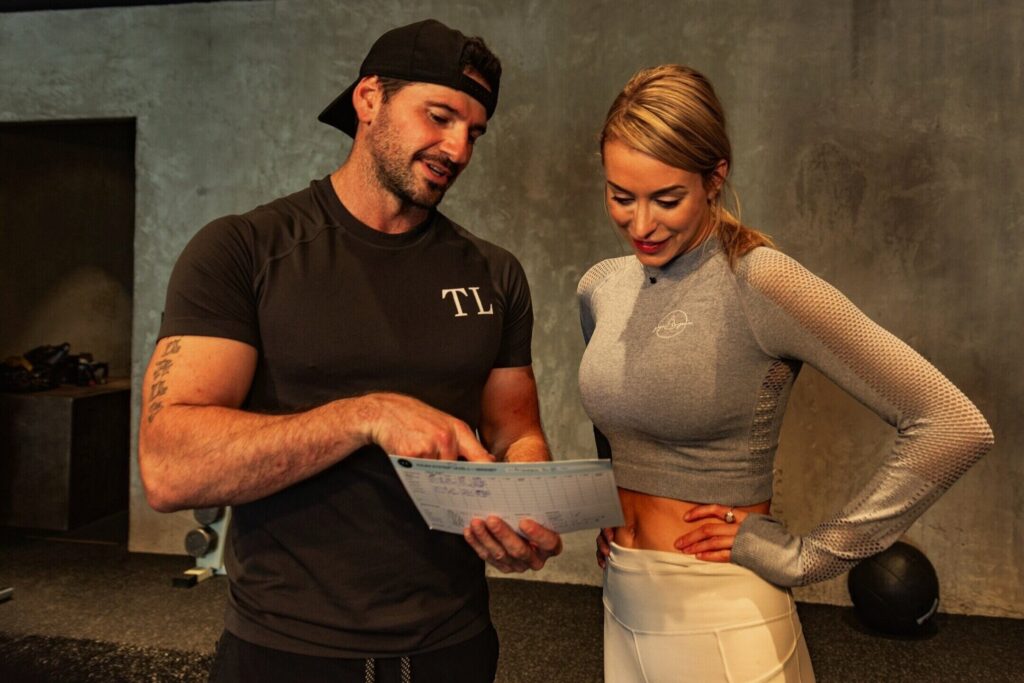
Your first personal training session doesn’t have to be intimidating. It’s an opportunity to discuss your goals, understand your current fitness level, learn more about exercise, and begin developing a program that fits your lifestyle.
At Training Loft, personalized training helps clients work toward their fitness goals through structured coaching and individualized exercise programming.
Whether you’re just getting started, returning to exercise, or looking to take your training to the next level, having the right guidance can make a meaningful difference.
Training Loft offers flexible training options with three-, four-, and five-day-per-week schedules to help clients find an approach that works with their goals and availability.
Ready to take the first step? Contact Training Loft to schedule a consultation and learn how personalized training can help you build strength, improve your fitness, and develop habits that last. Email us at info@traininglofts.com if you’re still on the fence and want to book a free 15-minute call to ask more questions. Be sure to follow Training Lofts on Instagram!