Private Personal Training vs. a Traditional Gym
Which Is Better?
Choosing the right place to work out can make a major difference in how consistently you exercise, how effectively you train, and whether you actually reach your fitness goals. While traditional gyms offer plenty of equipment and flexible membership options, private personal training provides a more personalized approach built around your individual needs.
So, which is better: private personal training or a traditional gym?
The answer depends on your goals, experience, schedule, and how much guidance you want. For people who want individualized coaching, accountability, and a structured plan, a private personal training gym can offer significant advantages over a conventional gym membership.
Our team at Training Loft is going to break it down.
What Is Private Personal Training?

Private personal training typically involves working with a fitness professional in a dedicated training environment rather than navigating a large commercial gym on your own.
Instead of following a generic workout program, your training can be structured around your specific goals, whether that is training for something like a wedding or a vacation, or just losing weight or trying to gain muscle mass. Your trainer can help determine what exercises, training methods, and progression strategies make sense for your current fitness level.
At a private training facility, the environment is also often more focused. There may be fewer distractions, less waiting for equipment, and more attention directed toward the actual training session.
This approach can be particularly useful for beginners, busy professionals, adults returning to exercise, and anyone who has struggled to make consistent progress independently.
What Does a Traditional Gym Offer?
A traditional gym generally provides access to a large selection of equipment in exchange for a monthly membership.
Depending on the facility, you may have access to:
- Cardio machines
- Weight machines
- Free weights
- Cable machines
- Group fitness classes
- Locker rooms
- Other fitness amenities
Traditional gyms can be an excellent choice for people who are comfortable creating their own workouts and staying accountable without professional guidance.
The biggest challenge is that a gym membership gives you access to the equipment, but it does not necessarily give you a plan for how to use it.
Private Personal Training vs. Traditional Gym: The Biggest Differences
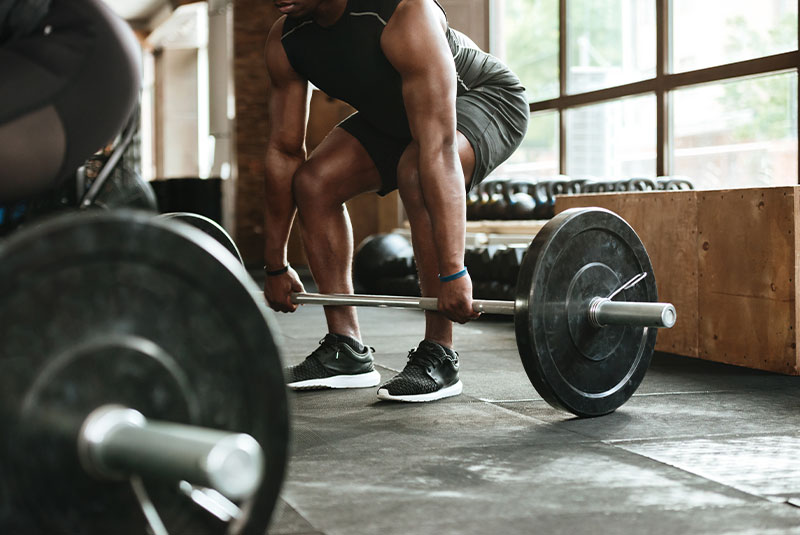
The biggest difference comes down to personalization and accountability.
At a traditional gym, you generally determine what you are going to do when you walk through the door. With private personal training, your sessions can be planned around your goals and adjusted as you progress.
Here are some of the biggest differences to consider.
1. Personalized Programming
One of the primary benefits of personal training is having a program designed around you. You can get an effective workout done in as little as 30 minutes. A generic workout found online might be designed for a broad audience. A personal trainer can instead consider factors such as your current fitness level, goals, training experience, schedule, and movement abilities.
Your program can also evolve as you become stronger and more experienced so you never have to worry about a plateau.
This can help prevent you from simply repeating the same workouts without a clear progression strategy.
2. Accountability
One of the hardest parts of fitness isn’t knowing that exercise is good for you. It’s consistently showing up.
A traditional gym membership gives you the freedom to work out whenever you want, but that freedom can also make it easy to skip a workout.
Personal training creates an appointment and a commitment.
Knowing that your trainer is expecting you at a specific time can provide an additional layer of accountability. Over time, that consistency can become one of the most valuable parts of a training program.
3. Professional Coaching
Exercise technique matters. Performing an exercise incorrectly can make it less effective and may increase unnecessary stress on your body. A qualified trainer can provide coaching and feedback during your sessions.
Instead of wondering whether you’re performing an exercise correctly, you have someone there to help you understand movement, technique, and progression.
This can be particularly valuable for people who are new to strength training or returning to exercise after a long break.
4. Less Guesswork
Walking into a traditional gym without a plan can sometimes lead to the same routine every time.
You might spend 10 minutes on a treadmill, move between a few machines, perform some familiar exercises, and leave without knowing whether your workout is actually moving you toward your goal.
A structured personal training program removes much of that guesswork.
Your workouts have a purpose, and exercises can be selected based on what you’re trying to accomplish.
5. A More Focused Training Environment
Large commercial gyms can be busy and distracting.
You may have to wait for equipment, navigate crowded workout areas, or deal with distractions that make it harder to stay focused.
A private training environment is designed around the training experience.
For some people, that quieter and more focused setting makes exercise more enjoyable and helps them concentrate on the session.
Is Private Personal Training Better for Beginners?
For many beginners, private personal training can be an excellent way to start.
The gym can feel intimidating when you don’t know what exercises to perform, how much weight to use, or how to structure a workout.
Working with a trainer gives you someone who can guide you through the process. Rather than trying to learn everything at once, you can gradually develop your understanding of strength training, movement, and exercise technique.
The goal isn’t necessarily to depend on a trainer forever. A good training program should help you become more confident and capable in the gym.
Is a Traditional Gym Better for Experienced Lifters?

It can be. If you already understand programming, exercise technique, progression, and how to structure your workouts, a traditional gym may provide everything you need.
The flexibility of a commercial gym can be especially appealing if you enjoy training independently.
However, experienced lifters can also benefit from coaching. A trainer can provide an outside perspective, identify areas that may be holding back progress, and help create a more structured approach.
Ultimately, experience doesn’t eliminate the potential value of professional coaching.
What About People With Busy Schedules?
For busy professionals, the decision often comes down to efficiency. Going to a traditional gym can involve driving there, figuring out what you’re going to train, waiting for equipment, completing your workout, and figuring out what to do next.
Private personal training can create a more structured experience.
When your workout is already planned and your training time is dedicated to a specific goal, you can spend more of your time actually training.
This is particularly useful for people who have demanding work schedules and want their fitness routine to be efficient.
Which Is Better for Weight Loss?

Both options can support weight loss.
Ultimately, fat loss depends on creating and maintaining an appropriate calorie deficit over time, along with factors such as physical activity, nutrition, sleep, and consistency.
However, personal training can provide structure and accountability that may make it easier for some people to remain consistent with their exercise routine.
Strength training can also be an important component of a body-composition-focused fitness program because it helps provide a stimulus for maintaining and building muscle while pursuing fat loss.
The most effective program is ultimately the one you can consistently follow.
Which Is Better for Building Muscle and Strength?
Both traditional gyms and private personal training can be effective for building muscle and strength.
The difference is often in how the training is organized.
Building strength and muscle requires appropriate training volume, intensity, exercise selection, recovery, and progression. A personal trainer can help organize these variables and make adjustments as you progress.
If you already know how to program your training, a traditional gym may be all you need.
If you’re unsure how to progress your workouts, personalized coaching can make the process much more straightforward.
Private Personal Training Can Provide More Than a Workout
One of the biggest misconceptions about personal training is that you’re simply paying someone to count repetitions.
Effective personal training can involve much more than that.
A quality training experience can help you understand:
- How to move effectively
- How to perform exercises correctly
- How to progress your workouts
- How to structure your training
- How to stay consistent
- How to work toward specific goals
- How to develop sustainable fitness habits
The objective should be to help you become stronger, more confident, and more capable—not simply to get through another workout.
Why Choose Training Loft?
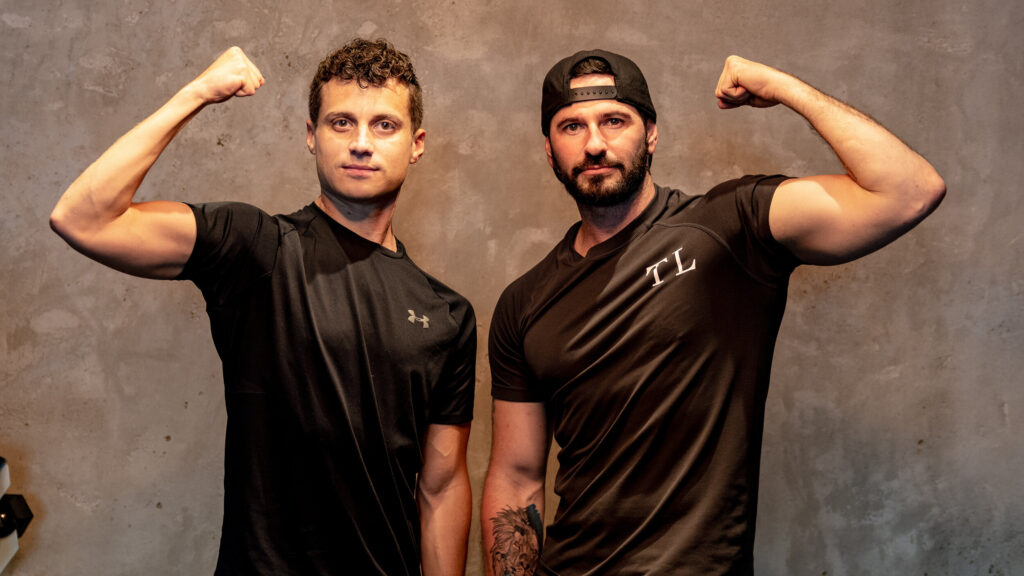
Training Loft provides a private personal training experience for clients in Melrose and Westwood, California.
Rather than taking a one-size-fits-all approach, Training Loft focuses on personalized training designed around the individual.
The Training Loft approach centers around three key areas:
Mindset
Long-term fitness requires more than physical training. Developing the right mindset can help you build consistency and create habits that support your goals.
Movement
Quality movement is an important foundation for effective training. Training focuses on helping clients develop strength, movement quality, and physical capability.
Mastery
Fitness is a process. As you become stronger and more experienced, your training can continue to evolve. Mastery is about continuing to improve rather than simply completing workouts.
The result is a more individualized approach to fitness that actually provides results than simply walking into a commercial gym and figuring out your workout on your own.
Private Personal Training or Traditional Gym: Which Should You Choose?
There isn’t one right answer for everyone.
A traditional gym may be the better choice if you:
- Enjoy working out independently
- Already know how to structure your training
- Want access to a wide variety of equipment
- Prefer a flexible, self-directed schedule
- Feel confident staying accountable on your own
Private personal training may be a better fit if you:
- Want a customized training program
- Need additional accountability
- Are new to strength training
- Have struggled to make consistent progress
- Want professional coaching
- Have specific fitness goals
- Prefer a private, focused training environment
- Want to make the most of limited workout time
For many people, the biggest benefit of private personal training isn’t simply having someone tell you what exercise to do. It’s having a structured system, professional guidance, and accountability designed around your goals.
Start Personal Training in Melrose or Westwood
If you’re tired of guessing what to do at the gym or struggling to stay consistent, private personal training may be worth considering.
Training Loft provides personalized training in Melrose and Westwood, helping clients build stronger bodies, improve movement, and develop sustainable fitness habits.
Instead of another generic workout plan, consider a training experience built around your goals, your abilities, and your progress.
Contact Training Loft to learn more about private personal training and find out whether the Training Loft approach is right for you.
Frequently Asked Questions
Is private personal training worth it?
For people who value personalized programming, professional coaching, and accountability, private personal training can be a worthwhile investment in their fitness.
Is a personal trainer better than going to the gym alone?
It depends on the individual. Experienced people who are comfortable creating and following their own programs may prefer training independently. Beginners or people struggling with consistency may benefit significantly from working with a trainer.
How often should I do personal training?
The ideal frequency depends on your goals, schedule, experience, and overall activity level. A trainer can help determine an appropriate training schedule based on your individual needs.
Can personal training help me lose weight?
Personal training can help provide the structure, exercise programming, and accountability needed to support a weight-loss goal. Nutrition and overall energy balance also play an important role in determining weight-loss results.
Can personal training help build muscle?
Yes. A properly structured strength-training program can support muscle growth by using appropriate exercises, training volume, intensity, and progressive overload.
Where does Training Loft offer personal training?
Training Loft offers private personal training in Melrose and Westwood, Massachusetts.
Email us at info@traininglofts.com if you’re still on the fence and want to book a free 15-minute call to ask more questions. Be sure to follow Training Lofts on Instagram!